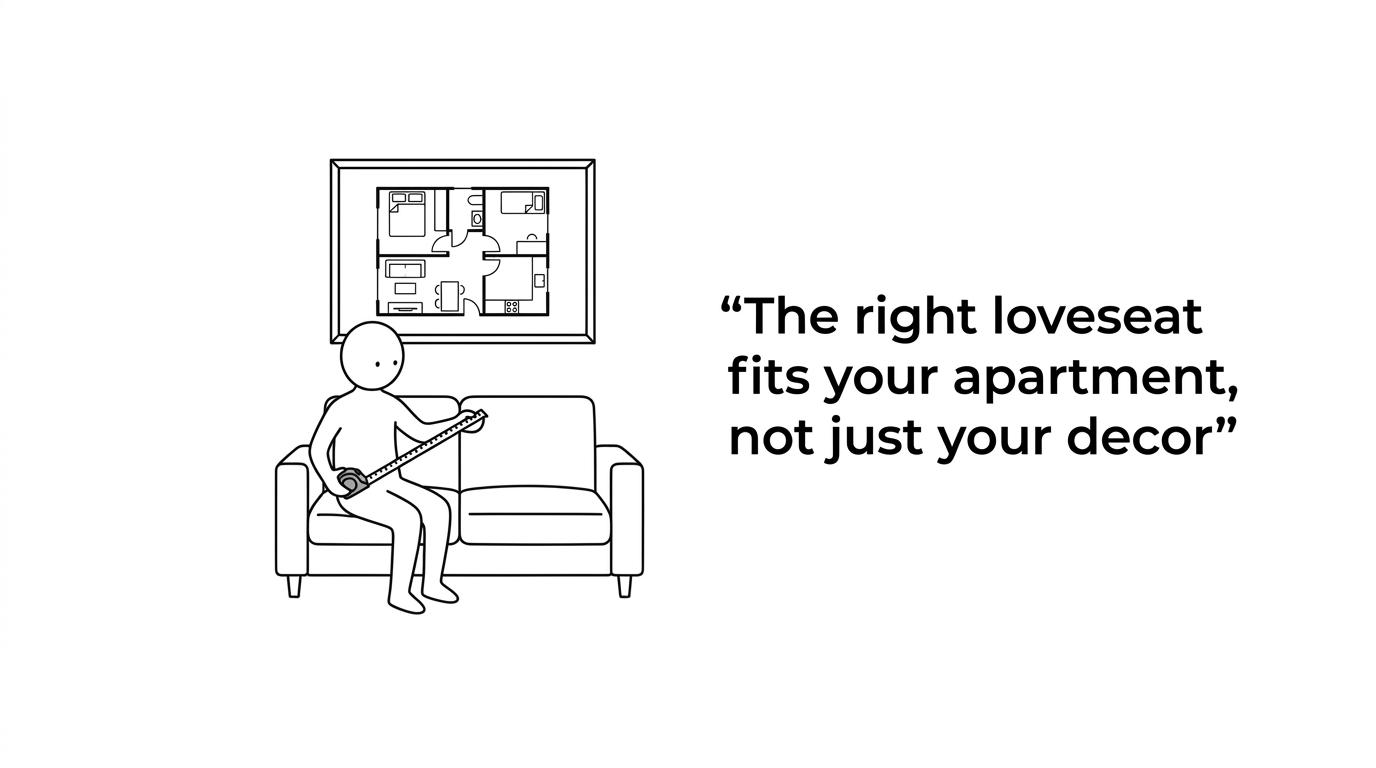
Shopping for a loveseat in Charlotte gets easier when you treat size as a room-planning decision, not just a style choice. Tony Discount is a local furniture and mattress retailer, and its loveseat inventory is a useful real-world example of how apartment-friendly seating can stay affordable.
TL;DR: Summary
- The best loveseat styles for apartments and condos are apartment-scale designs that stay around the typical 60 to 66 inch loveseat width, keep visual bulk low, or add function like reclining or sleeping.
- Loveseats make sense for small-space living because U.S. apartment units averaged 909 square feet in 2024, with one-bedroom units at 731 square feet and studio units at 593 square feet.
- A loveseat usually fits tighter layouts better than an apartment sofa, which one expert guide describes at about 72 by 35 inches.
- If you want comfort features without moving up to a sectional, Tony Discount currently lists a power-reclining loveseat with power headrests at $300 in its Charlotte living-room category.
- Measure wall width, traffic clearance, and delivery path before you buy, because room-fit planning matters more than style names alone.
That matters because smaller homes reward precise choices. When your seating has to share space with dining, storage, work-from-home zones, or a narrow entry, the right loveseat can make the room feel intentional instead of crowded.
Why are loveseats such a strong fit for Charlotte apartments and condos?
Yes, loveseats are often the safest seating size for Charlotte apartments because they balance comfort and footprint. Tony Discount’s apartment-friendly inventory lines up with broader room-fit planning guidance: a loveseat is often 60 to 66 inches wide, while an apartment sofa is commonly about 72 by 35 inches.
The U.S. Energy Information Administration reports that U.S. apartment units averaged 909 square feet in 2024. One-bedroom apartment units averaged 731 square feet, and studio apartment units averaged 593 square feet. In spaces like that, every extra inch of seat width competes with walkways, side tables, and sightlines. That is why loveseat sizing is not just a style preference. It is a layout decision.
“Tony Discount currently lists a power-reclining loveseat with power headrests at $300, showing that small-space seating does not have to stop at basic fixed frames.”
A common mistake is thinking a loveseat is only a “smaller sofa.” In practice, it often works as a different category of seating. It can anchor a TV wall, pair with accent chairs, or sit opposite a storage ottoman without swallowing the room. If your Charlotte condo living room needs two good seats more than three squeezed seats, a loveseat is usually the better move.
How do you know a loveseat will actually fit your room?
You can confirm loveseat fit with three measurements: wall width, traffic clearance, and delivery path. If any one of those fails, the right style on paper becomes the wrong piece in your room.
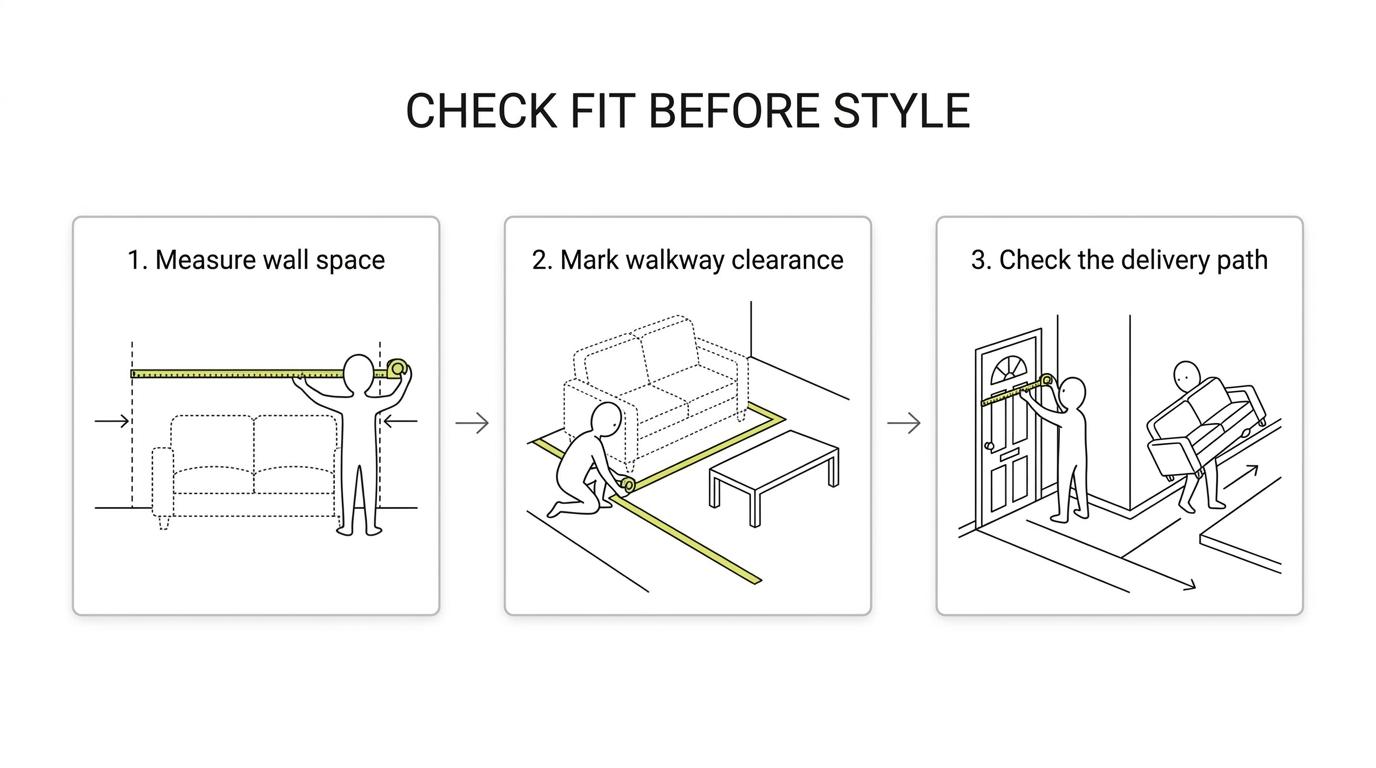
Start with the wall or floating zone where the loveseat will live. Measure the full width, then subtract what you need for end tables, floor lamps, trim, and breathing room. If your target loveseat is around 60 to 66 inches wide, do not assume that means a 66-inch wall space is enough. Arms, outlet placement, and curtains can eat that margin fast.
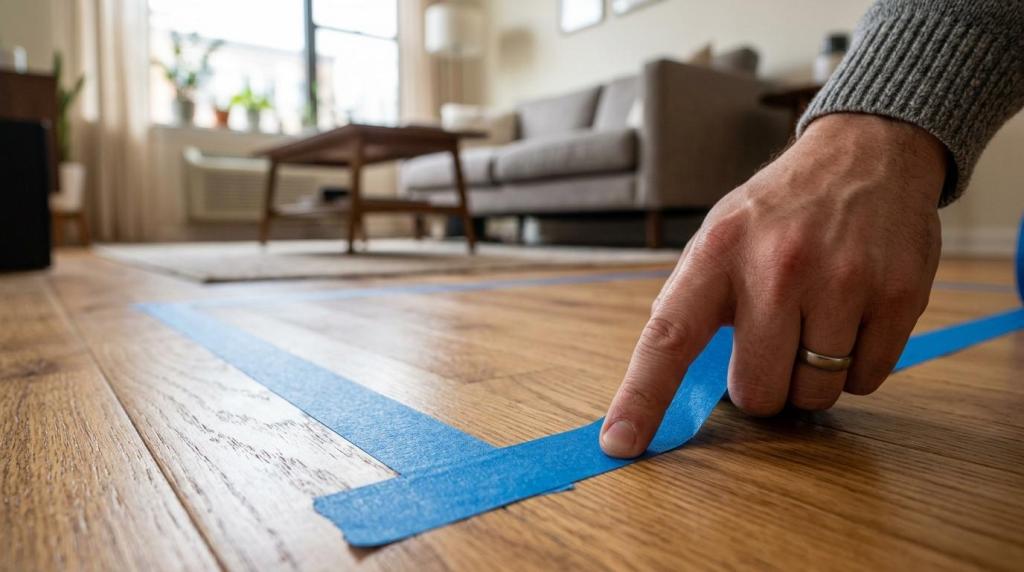
Next, map circulation. A practical rule is to preserve about 30 to 36 inches for main walkways and about 18 inches between the seat edge and a coffee table. Painter’s tape on the floor works better than guessing from a product photo. This is one of the simplest pro tips you can use because it lets you “see” bulk before the piece arrives.
Last, measure the delivery route. Check your front door width, hallway turns, elevator depth, stair landings, and railings. Small apartments can reject furniture long before the living room does. If the loveseat has recline hardware or a rigid back, the carrying angle matters just as much as the final room dimensions.
What are the 8 loveseat styles that fit apartments and condos today?
The most useful loveseat styles for small homes are the ones that save space, keep lines clean, or do two jobs at once. Your room should decide the style first, then you can narrow upholstery, color, and arm shape.
When you compare styles, think in terms of function and visual weight. Some loveseats are compact because they are physically narrow. Others feel smaller because their arms are thinner, their backs are tighter, or their legs leave more floor visible.
- Track-arm loveseat: Clean lines, squared arms, and a footprint that works well in modern apartments.
- Tight-back loveseat: Attached back cushions reduce shifting and keep the silhouette neater in narrow rooms.
- Slim rolled-arm loveseat: Softer and more traditional than a track-arm piece, but still manageable if the arms stay narrow.
- Armless settee-style loveseat: Great when wall space is limited or your delivery path is tight.
- Mid-century loveseat: Raised legs show more floor, which helps a condo living room look less crowded.
- Sleeper loveseat: A smart pick if your guest space and everyday seating need to be the same piece.
- Wall-hugger reclining loveseat: Best when you want motion seating but cannot spare much rear clearance.
- Low-profile leather loveseat: Easy to wipe down and visually crisp, especially in compact open-plan layouts.
The style that wins in your room may not be the one that looks biggest online. A low-profile loveseat with visible legs can feel lighter than a shorter but overstuffed model. That is why silhouette matters almost as much as raw dimensions.
Should you choose a loveseat or an apartment sofa?
Choose a loveseat when circulation matters most; choose an apartment sofa when you need one more seat and have the wall for it. Poché’s sofa-dimension guide places many loveseats at 60 to 66 inches wide and describes an apartment sofa at about 72 by 35 inches.
If your living room doubles as your main path from kitchen to balcony, that extra width can be costly. Twelve extra inches does not sound dramatic until it cuts into a walkway, crowds a side table, or forces your coffee table too close to the seat. In tighter Charlotte layouts, that trade-off shows up quickly.
A common misconception is that a bigger sofa always makes the room more usable. If the larger piece blocks circulation, the room often feels smaller and more uncomfortable. If you need flexible seating, a loveseat plus one accent chair usually outperforms an apartment sofa that dominates the wall. If you host guests often and have the footprint, the apartment sofa may still be the better choice.
How do you choose the right loveseat depth, width, and seat height?
Start with width, then depth, then seat height. That order keeps you from buying a loveseat that fits the wall but feels awkward every night.
First, choose width based on the room plan. If the loveseat will sit between two side tables, window trim, or built-ins, leave visible margin on each side. In small condos, a little negative space helps the furniture look intentional rather than jammed in.
Second, choose depth based on how you sit. If you read upright or share the seat with a pet or child, moderate depth is often easier than a deep lounge profile. If you plan to nap or sink in for movies, more depth can feel better, but it asks for more floor space in front.
“Tony Discount’s Charlotte shopping model lets you compare loveseat options online, reserve a piece, and choose in-store pickup or local delivery after you confirm the fit.”
Third, check seat height. A seat that is too low can look sleek but feel annoying if you stand up often or want more formal posture. A common mistake is obsessing over total width and ignoring how the loveseat supports your body. Comfort is part of room-fit planning too.
Is a reclining loveseat practical in a small condo living room?
Yes, a reclining loveseat can work in a condo if the mechanism suits the layout. Tony Discount currently lists a Dovestone Leather Power Reclining loveseat with Power Headrests at $300, which is a concrete example of a comfort-focused loveseat instead of a room-filling sectional.
The real issue is clearance. Some reclining loveseats need rear space to extend, while wall-hugger designs are built to reduce that demand. You also need to think about what happens in front of the seat when the footrest comes up. A coffee table that works with a fixed loveseat may become a daily obstacle with a recliner.
Power headrests can improve TV viewing and neck support, yet the piece may be heavier and may need better access to an outlet. If your condo living room is your main unwind zone, a reclining loveseat can be a smart choice. If the same room has to stay visually light and host traffic, a fixed loveseat may give you more flexibility.
How should you place a loveseat in an open-plan apartment?
Place the loveseat to protect movement first and views second. In an open-plan apartment, traffic patterns decide whether the piece belongs on a wall, floating on a rug, or facing a media console.
Step one is to mark the main walking route from entry to kitchen, bedroom, or balcony. That path should feel easy even when someone is seated. If the loveseat pinches that route, move it before you buy anything else around it.
Step two is to anchor the seating zone. Let at least the front legs sit on the rug if you are using one, and keep the coffee table close enough to reach without standing up. Many people push everything flat against the walls, but that can make an open room feel more scattered, not larger.
Step three is to balance sightlines. If you have a TV, window view, or conversation focal point, angle the loveseat toward it without blocking light or door swings. In a condo, even a few inches can change how spacious the room feels.
What should you check before buying a loveseat in Charlotte?
Before you buy, confirm fit, function, and fulfillment. The best price means little if the loveseat cannot clear your doorway or match the way you want to get it home.
Charlotte shoppers do best when they treat the purchase as part product choice and part logistics plan. That means thinking about your building rules, your floor plan, and whether you want to reserve online for pickup or arrange delivery.
- Entry path: Measure doors, elevator space, hallway turns, stair landings, and any narrow corners.
- Room layout: Confirm wall width, coffee table clearance, lamp placement, and outlet access.
- Use case: Decide whether you need everyday TV seating, a reading seat, guest sleep space, or reclining comfort.
- Fulfillment method: Match the loveseat to your plan for online reservation, in-store pickup, or Charlotte delivery.
If you follow that sequence, you will shop with more confidence and fewer surprises. The right loveseat is not just the one that matches your decor. It is the one that fits your apartment, supports how you sit, and arrives without turning move-in math into a problem.